China Top Dog Crate Furniture Suppliers for Global Buyers

Time:2026-09-08 Author:Isabella
0%

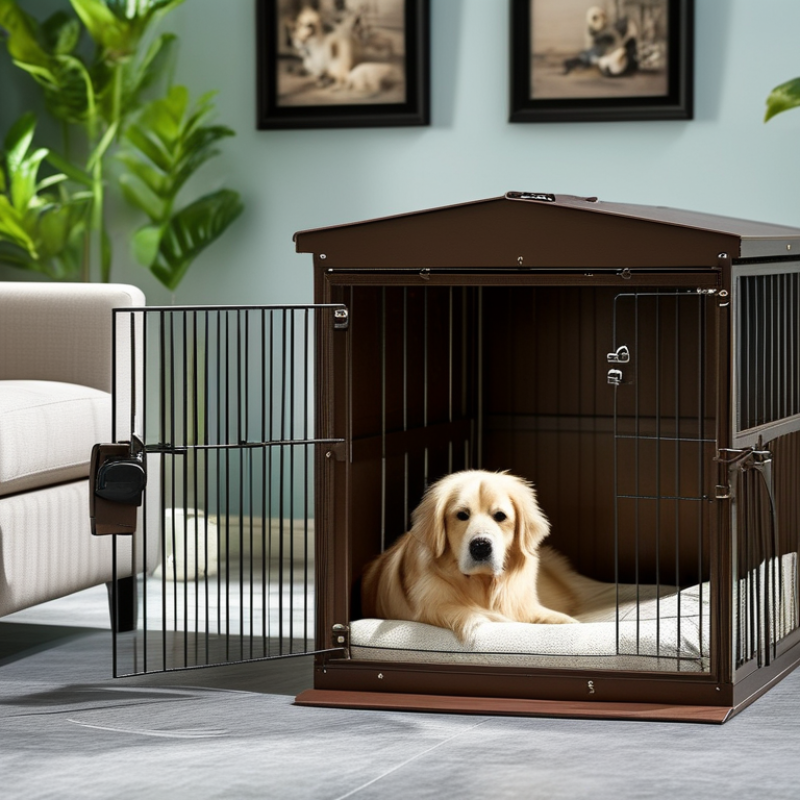
China has become a significant sourcing base for Dog Crate Furniture, combining furniture manufacturing, pet-product engineering, and export experience. Global buyers now seek more than a metal enclosure. They want attractive furniture that fits beside a sofa, protects flooring, and gives dogs a calm resting space.

Industry data supports this shift. The American Pet Products Association reported that U.S. pet industry spending reached $147.0 billion in 2023. Its surveys also recorded more than 65 million U.S. dog-owning households. Grand View Research has projected continued growth in the global pet furniture market, driven by higher pet ownership and stronger demand for premium home products. These figures do not measure Dog Crate Furniture alone, so they require careful interpretation. Still, they show a broader market opportunity.

Veterinarian and Fear Free co-founder Dr. Marty Becker describes a crate as “a safe haven, not a prison.” This principle should guide product evaluation. A reliable supplier should offer rounded edges, safe ventilation, stable doors, washable surfaces, and accurate dimensions. Factory experience matters. So do material records, inspection procedures, packaging tests, and communication after sampling.

The details become visible during daily use. A wooden top should hold a lamp without wobbling. A door should close quietly. A nervous dog should have airflow, shade, and enough room to turn comfortably. Some suppliers may present beautiful photos but provide limited testing evidence. Buyers should remain cautious. China’s leading Dog Crate Furniture suppliers can support global growth, but responsible sourcing depends on verification, not attractive claims alone.
China Top Dog Crate Furniture Suppliers for Global Buyers

China’s RMB 279.3 Billion Urban Pet Market and Crate-Furniture Demand

China’s RMB 279.3 billion urban pet market is reshaping demand for crate furniture. In cities, many dog owners live in compact apartments. They want a crate that functions as a side table, cabinet, or quiet sleeping corner. Space matters every day.

Experienced suppliers now study room layouts, dog sizes, ventilation needs, and cleaning habits. A practical design should include smooth edges, secure doors, washable trays, and airflow on multiple sides. Solid panels may look attractive, but excessive coverage can reduce ventilation. That detail is easy to overlook. Buyers should request material specifications, load tests, coating information, and production samples before placing large orders.

For global buyers, supplier evaluation requires more than attractive product photos. Check factory experience, inspection procedures, packaging strength, and communication speed. A sample should survive repeated door movement and routine cleaning. It should also remain stable when a dog leans against the frame. Lower prices can hide thin boards, weak hinges, or difficult assembly. The market is not perfectly uniform. Some designs still prioritize appearance over animal comfort. Careful buyers can improve results by sharing crate dimensions, target markets, labeling requirements, and realistic usage conditions. Suppliers who welcome testing and design revisions usually provide more reliable cooperation. Mistakes still happen, especially when measurements cross languages and units. Clear drawings reduce that risk.

China Top Dog Crate Furniture Suppliers for Global Buyers

China’s RMB 279.3 Billion Urban Pet Market and Crate-Furniture Demand

China’s urban pet market increased from RMB 202.4 billion in 2019 to RMB 279.3 billion in 2023. This sustained expansion indicates a broader consumer shift toward premium pet-care products, multifunctional home solutions, and space-efficient furniture such as dog crate furniture. The figures represent the overall urban pet market, not crate-furniture sales specifically.

Source: China Pet Industry White Paper, urban pet market estimates for mainland China; values shown in RMB billion.

How to Evaluate Chinese Suppliers by 5 Core Manufacturing and Quality Metrics

Global buyers should evaluate Chinese dog crate furniture suppliers through measurable factory evidence, not attractive photographs. Start with material control. Ask for wood species, metal grades, coating details, and recent test records. Confirm that adhesives, paints, and finishes are suitable for indoor pet furniture. Documentation matters.

The second metric is structural durability. Inspect welds, hinges, locks, panels, and floor supports. A crate should resist repeated movement, scratching, and moderate impact without sharp edges. Request load testing and cycle testing for doors. Then compare the approved sample with three random production units. They should match in dimensions, color, and assembly quality. Small differences can become expensive complaints.

The third metric is surface safety. Check corners by hand, inspect hidden staples, and examine ventilation openings. The fourth is production consistency. Review inspection points, worker training, defect records, and corrective-action reports. A clean showroom can hide uneven factory discipline. It happens. The fifth metric is delivery reliability. Compare confirmed lead times, packaging tests, carton drop results, and replacement procedures. Ask how the supplier tracks batch numbers and handles damaged parts. A lower price means little when one missing panel delays an entire shipment. My own evaluation would also include a live video inspection, though video cannot replace an on-site audit. That limitation deserves attention.

China Top Dog Crate Furniture Suppliers for Global Buyers - How to Evaluate Chinese Suppliers by 5 Core Manufacturing and Quality Metrics

Core Metric What to Measure Recommended Acceptance Benchmark Verification Method Required Supplier Evidence Suggested Weight
1. Material Safety and Compliance Panel composition, metal corrosion resistance, coating safety, formaldehyde emissions, and restricted substances. Use materials and finishes that meet the destination market’s legal requirements. For wood-based panels, specify a documented low-emission grade and require test results from an accredited laboratory. Avoid chipped, sharp, or easily detachable components. Review technical files; verify panel certificates; conduct laboratory testing for formaldehyde and restricted substances; inspect edges, fasteners, and coating adhesion. Material declarations, safety data sheets, batch traceability, laboratory reports, coating specifications, and destination-market compliance statement. 25%
2. Structural Strength and Durability Frame rigidity, door strength, hinge and latch performance, shelf capacity, fastener retention, and resistance to repeated use. The completed unit should support the stated dog-size and load specification without permanent deformation, dangerous movement, latch release, or sharp-edge exposure. Define the load and cycle requirements in the purchase specification before production. Pre-production prototype testing; static load testing; repeated door-opening and closing cycles; joint and fastener inspection; post-test dimensional check. Engineering drawings, load calculations, prototype test records, door-cycle results, corrective-action reports, and approved golden sample. 25%
3. Dimensional Accuracy and Fit Overall dimensions, internal dog space, panel thickness, door gaps, hole locations, squareness, and interchangeability of components. Set tolerances on the approved drawing. As a practical furniture-control starting point, use approximately ±1 mm for critical hardware locations and ±2 mm for non-critical overall dimensions, unless the design or applicable standard requires tighter control. Use calibrated calipers, steel rules, squares, gauges, and go/no-go fixtures. Measure samples from different production lots and verify assembly without forced alignment. Controlled drawings, inspection standards, calibration records, first-article inspection report, in-process inspection records, and final dimensional report. 15%
4. Surface Finish and Resistance Scratch resistance, coating adhesion, moisture resistance, edge sealing, color consistency, weld quality, and cleanability. No exposed sharp edges, loose veneer, blistering, flaking, major color variation, or visible corrosion. Define finish performance using the selected coating system and destination-market test requirements rather than relying only on visual inspection. Visual inspection under controlled lighting; coating-adhesion testing; scratch or abrasion testing; moisture or chemical-resistance testing appropriate to the finish; weld and edge inspection. Finish sample board, coating technical data sheet, inspection photographs, test reports, approved color standard, and packaging protection specification. 15%
5. Process Control and Delivery Reliability Production traceability, incoming inspection, in-process controls, final inspection, defect rate, corrective action, capacity, and on-time shipment. Require a documented quality system, lot identification, inspection checkpoints, and a corrective-action process. Agree on an acceptance quality limit and sampling plan in the purchase contract; do not use an unspecified “zero defect” promise as the sole control. Factory audit; review of inspection records; production-line observation; pre-shipment inspection; random carton and finished-product checks; delivery-performance review. Quality manual, process flow chart, inspection plan, lot traceability records, calibration certificates, audit reports, capacity plan, and corrective-action log. 20%
Total Evaluation Weight 100%
Evaluation note: The benchmarks above are procurement-control guidelines, not claims about any specific supplier. Buyers should confirm the applicable legal, safety, labeling, packaging, and testing requirements for the destination market and product design.

Dog Crate Furniture Standards: Size, Ventilation, Load, and Material Safety

China Top Dog Crate Furniture Suppliers for Global Buyers

Dog crate furniture must fit the dog, not only the room. The 2023–2024 APPA National Pet Owners Survey reports 65.1 million U.S. households own dogs, showing broad demand for adaptable housing. Suppliers should measure the dog standing, turning, and lying fully extended. These positions also reflect enclosure principles in U.S. animal-care regulations. A crate that looks elegant but restricts movement is poorly designed.

Ventilation needs careful testing. Openings should support continuous airflow without creating escape gaps or sharp edges. A practical design uses ventilation on multiple sides, especially when furniture panels surround the crate. Load testing matters too. The top should support expected household weight, but buyers should request documented static-load results. A 100-kilogram rating means little without test duration and safety factors. Details matter.

Material safety cannot be decorative language. Panels should resist moisture, peeling, and chewing damage. Low-emission coatings and formaldehyde testing are sensible requirements, particularly for enclosed sleeping spaces. The EPA’s 2023 chemical emissions guidance highlights the importance of controlling indoor pollutants from composite wood products. However, no single global standard covers every crate-furniture product. That gap demands clearer supplier records, batch inspections, and independent testing. Perfect compliance is difficult. Careless claims are worse.

Export Readiness: APPA’s $147 Billion U.S. Pet Market and Buyer Requirements

China’s dog crate furniture suppliers are entering a large, demanding market. APPA reported that U.S. pet industry spending reached $147 billion in 2023. Its 2023–2024 survey also estimated that 66% of U.S. households owned a pet. This demand supports furniture-style crates for apartments, bedrooms, and compact homes.

However, export readiness requires more than attractive wood grain. Buyers expect accurate dimensions, stable ventilation, smooth edges, odor control, and clear assembly instructions. Suppliers should provide material specifications, load tests, carton measurements, product photos, and inspection records. The crate must also protect the dog without creating sharp gaps or weak doors. These details reduce returns and buyer complaints.

Tips: Ask for pre-shipment samples. Measure the assembled crate yourself. Check door alignment, coating adhesion, hinge strength, and packaging damage. Confirm whether materials meet the destination market’s chemical and safety requirements. A lower price may look attractive, but weak packaging can erase the saving. Some suppliers still provide incomplete test evidence; that is a warning, not a small paperwork issue. According to international logistics practice, stable carton design and readable labels can improve warehouse handling, although results vary by route and carrier.

Comparing China’s Top Suppliers by MOQ, Lead Time, Certifications, and FOB Cost

China’s top dog crate furniture suppliers differ sharply in MOQ, lead time, certifications, and FOB pricing. Many factories accept 100 to 300 units for standard designs. Custom colors or hardware may require 500 units. A low MOQ is not always a bargain.

Standard production often takes 25 to 40 days after deposit and sample approval. Complex wood finishes can add two weeks. Reliable suppliers provide clear production schedules and inspection photos. Ask for valid FSC, ISO 9001, material, and coating documents when relevant. Certificates should match the actual factory and product. That detail is easy to overlook. FOB costs commonly range from 45 to 120 US dollars per unit, depending on size, panels, metal bars, packaging, and order volume. Treat these figures as working references, not promises.

Tips: Request one sample before placing a large order. Measure door alignment, ventilation, surface smoothness, and tray removal. Compare FOB quotes using identical specifications. Check whether cartons include corner protection. I once saw a cheaper quote become expensive after reinforced packaging was added. Lead time also changes around holidays, so confirm the shipping window in writing. Suppliers may sound confident, but evidence matters more.

FAQS

: Why is crate furniture becoming popular in urban homes?

: Compact apartments need furniture with multiple functions. A crate can serve as a side table, cabinet, or sleeping corner. Space matters daily.

How should buyers choose the correct crate size?

Measure the dog standing, turning, and lying fully extended. The crate should not restrict normal movement. A beautiful crate can still be too small.

What ventilation features are important?

Use openings on several sides. Air should move continuously through the sleeping area. Openings must not create escape gaps or sharp edges.

Which construction details deserve close inspection?

Check smooth edges, secure doors, washable trays, and strong hinges. The frame should remain stable when the dog leans against it. Small details matter.

What material information should suppliers provide?

Request panel specifications, coating details, moisture resistance, and emissions testing. Enclosed spaces need low-odor materials. Decorative wording proves little.

How can buyers test product strength?

Request documented static-load results with test duration and safety factors. Test the top, door, hinges, and frame. A weight number alone is incomplete.

What should buyers inspect before placing a large order?

Order a production sample first. Check dimensions, door alignment, coating adhesion, assembly difficulty, and cleaning access. Repeat the checks yourself.

How can export problems be reduced?

Share clear drawings, crate dimensions, units, labels, and usage conditions. Confirm carton measurements and packaging strength. Measurements sometimes go wrong.

Why can a low price create later problems?

Low prices may hide thin boards, weak hinges, or poor packaging. Damage during shipping can erase the apparent saving. Cheap is not always efficient.

What makes a supplier more reliable?

Look for factory experience, inspection records, responsive communication, and willingness to revise designs. Testing cooperation is encouraging. It is not proof of perfection.

Conclusion

China’s expanding urban pet economy, valued at approximately RMB 279.3 billion, is creating strong demand for practical and attractive Dog Crate Furniture. For global buyers, selecting reliable Chinese suppliers requires more than comparing prices. Key evaluation factors include manufacturing capacity, material consistency, structural workmanship, quality-control procedures, and customization capability. Buyers should also verify crate dimensions, airflow design, load-bearing performance, surface durability, and the safety of coatings, panels, hardware, and other materials.

Export readiness is equally important as international pet spending continues to grow, particularly in the United States. Qualified suppliers should provide clear product specifications, stable lead times, export documentation, packaging solutions, and certifications relevant to the target market. A structured comparison of minimum order quantities, production schedules, certification coverage, and FOB costs can help buyers identify the best overall value. By balancing safety, design, production reliability, and logistics support, importers can build dependable supply relationships and offer competitive Dog Crate Furniture to customers worldwide.


Isabella

Isabella

Isabella is a dedicated marketing professional with a sharp focus on driving brand growth and engagement through strategic content creation. With an extensive background in digital marketing, she combines her passion for storytelling with her keen understanding of industry trends to deliver......